
 Log In


October 23, 2014
 Offline


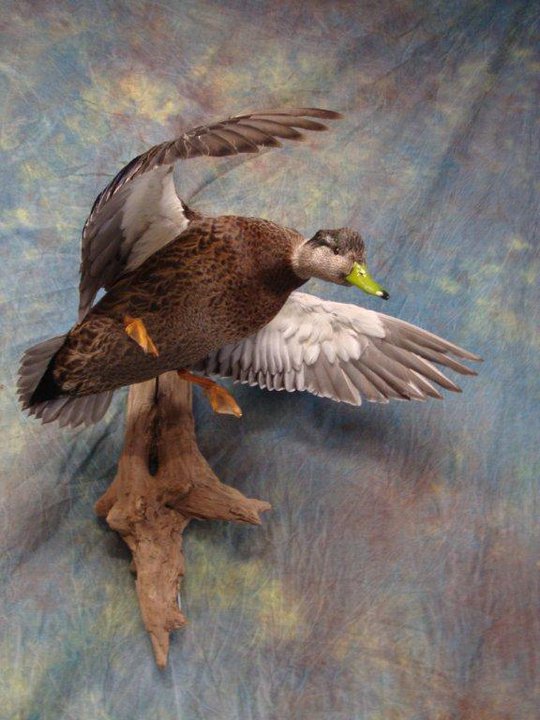
We will start this week off with a Black duck we did quite a few years ago.
A.J. Stehling Co LLC / Taxidermy Websites
~Working to advance the taxidermy industry one line of code at a time.~

October 14, 2011
Offline

Incoming !
Chief Editor of The Taxidermy Journal~TTN News Contributor

May 6, 2012
Offline
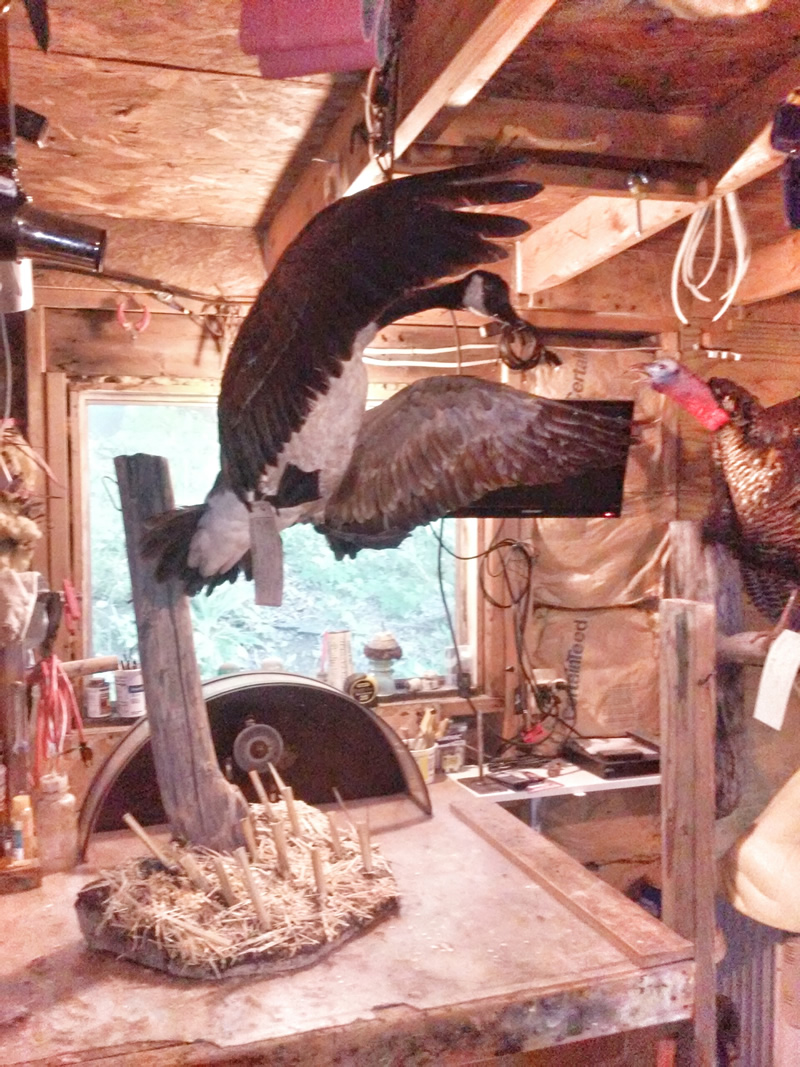
Maryland Eastern Shore Lesser Canada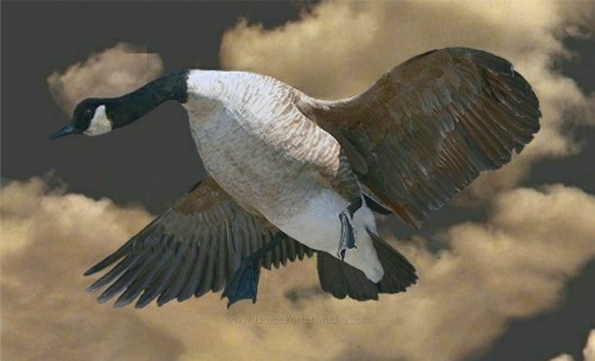

Pretty Canadians guys. Flying mounts are great if you have someplace to hand them. But those are probably client birds for you and all mine belong to me so I have to find a place to put them (time for a bigger house I think!).
Let me ask a question seeing has how I was working on one today (did not finish yet, just skinned, fleshed, washed etc., not mounted yet). The feathers came out real clean and white on the body but the white on the face looks “dirty.” Any suggestions on how to “whiten” them up some?
Vic
October 23, 2014
Offline
Great looking birds guys! 
A.J. Stehling Co LLC / Taxidermy Websites
~Working to advance the taxidermy industry one line of code at a time.~
May 6, 2012
Offline
Vic, very few if any Canada has a perfect WHITE throat patch. they tend to vary in color from bird to bird, but I have of yet after mounting hundreds, living on the Eastern Shore, ever came across a pure white throat patch. proper skinning, de greasing will have no effect on the actual true color other than to be properly washed of residual grease, blood and dirt. if your bird is washed and cleaned well, the throat patch color is what it is.
I never had a Canadian with the face that dirty/gray looking before so I just was interested in if there was a way to whiten it up. I had originally intended to post a photo after it was all done but that is out now. If you folks remember I previously post that I picked this bird up along the railroad tracks a couple months ago. The body looked great and all appeared that it would make a great mount however, when the mounting was all done I lost a bunch of feathers on the neck so it has bald spots running down it. My guess is the head/neck had already started to go bad when I got it (wonder if stop rot would have helped?!). I completed the mount anyways for the practice and along the way tried a couple new things I got off a Stephan Savides DVD, including the fact this is the first bird manikin I have ever used. I have always wrapped my own birds. Just wanted to see what it was like to use a manikin.
Well, I guess that is the way it goes. I have a couple hunters that are supposed to get me some birds this fall to practice on. I hope they come through.
I know some of my questions on here may seem ridiculously simple so I appreciate the time you guys take to answer them. I see it as I tell my students, “If you don’t ask the question, I don’t know you need an answer. I can’t read your mind!” It is all part of the learning experience.
Respectfully,
Vic
May 6, 2012
Offline
Vic, the feather colors on the throat patch are what they are, as are the rest of the body feathers unless you have iron stain that can be removed. sounds to me, that since this was a pick up bird, you had no way to determine how long it had been there before you picked it up, and how pin feathered it was prior to skinning. besides the belly area, the head and neck are the first to cause problems due to pre digestion. if that is the case, if pin feathered, Stop Rot would not have helped. it will hinder further decay, but will not reverse the damage already done. if you properly wheel a pin feathered bird, you will break into the developing feather sack, and cause major feather loss. had you washed the head very well, prior to skinning, you would have found that the throat patch color would not be white.
October 14, 2011
Offline
Vic mine are never perfectly white on the face. You could apply a little airbrushing to that area to brighten it, but I wouldn’t even bother with it because 9 out 10 when you stand back and look at it, it looks natural.
Chief Editor of The Taxidermy Journal~TTN News Contributor


1 Guest(s)