
 Log In


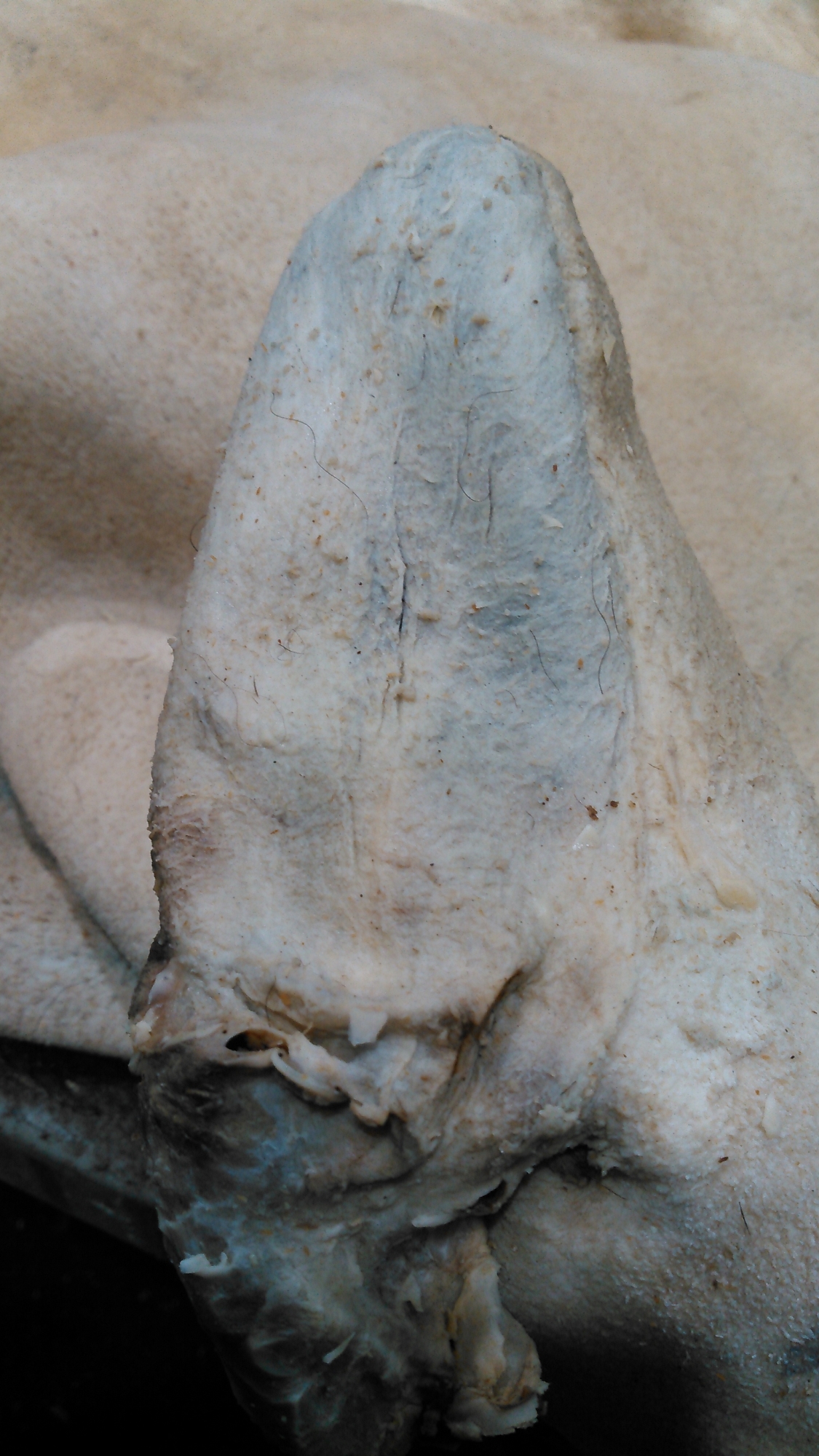
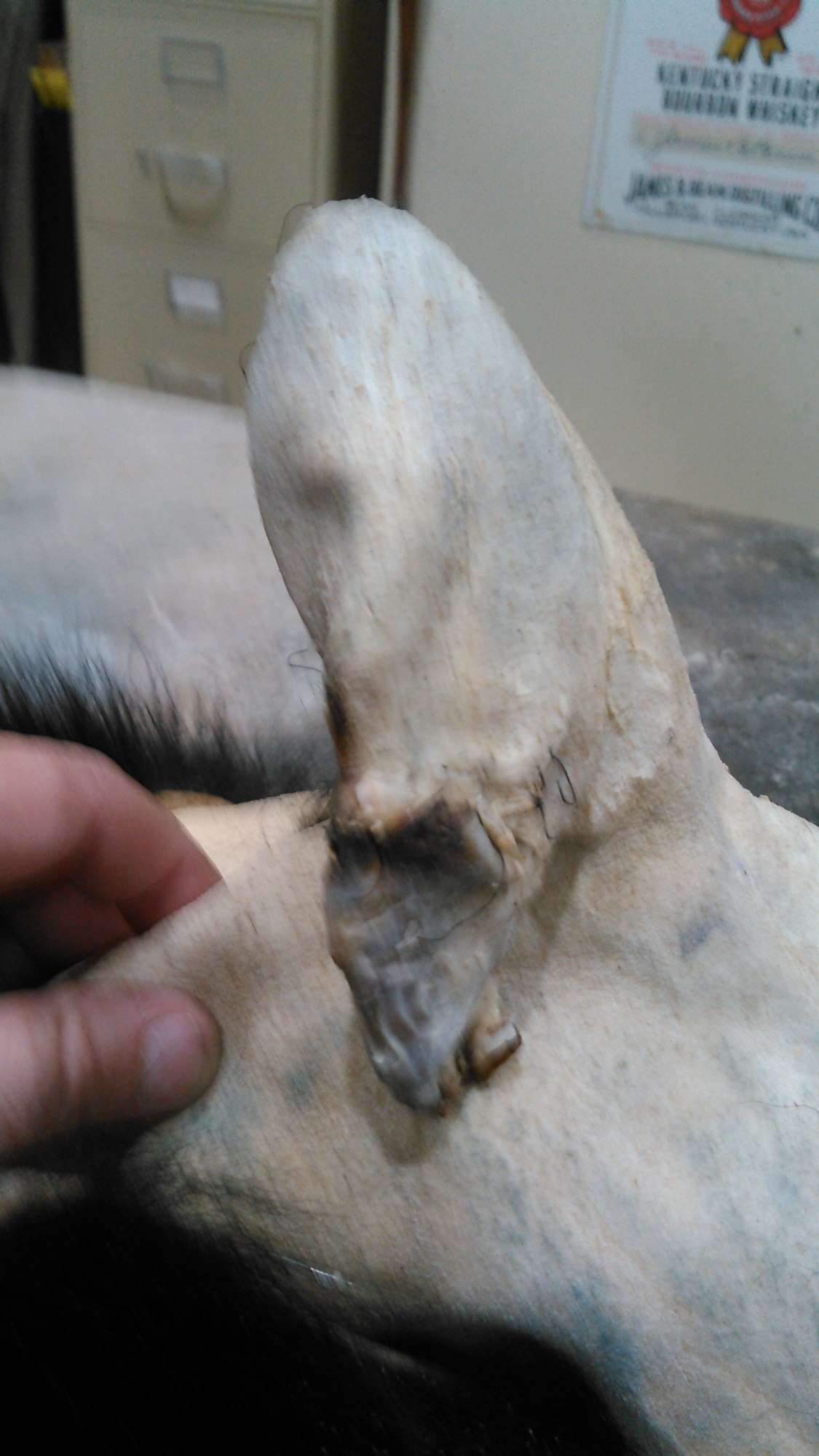
I have always used the bondo method for ears but I am thinking of trying ear liners. When is the best time to remove the cartilage? When you skin it out and before tanning? After tanning?
The reason I am asking is I wanted to try it on a bear that I purchased years ago (already tanned). It has been in the freezer all this time in a sealed bag. Will the extended freezer time make it harder to pull the ear cartilage out and risk damaging the ear?
How do you guys (and gals) do it?
Vic
My ear cartilage comes out after I get them back from tannery, that bear ear cartilage will come out might need to give it some extra soaking
Thanks for the reply. I will try soaking the skin and see how it goes. It is a new experience for me to do this method.
Vic
We do the same. they come out right before we mount em up.

May 6, 2012
 Offline
I agree with the above advice. IMO, the cartilage needs to be removed on any ears. I buy Celastic sheets, and make my ear liners to fit. super easy to work with, moldable with Acetone, Lacquer thinner or a heat gun. easily thinned on the edges with a dermal, and the cloth is a great binder for Bondo if you use that method. Bear ears can be touchy when removing the cartilage, not to get hair pull through. I dip my ears in Acetone prior to the application of Bondo. It gives the Bondo a longer working time, and softens the Celastic for better ear shape. just my 2 cents
Marshy Creek, you use bondo with ear liners? I always thought if you used ear liners you should use some kind of glue or hide paste to reduce the “thickness” of the ear and get more detail from the liner. Maybe that may be another avenue to try in the future.
I think I may have screwed up one of the ears a bit trying to remove the cartilage. I will try to post a photo when it is done. It is a learning experience. As they say, hindsight is 20/20. I think I should have tried this on a whitetail first over a bear. I will let you guys be the judge when you see it. Of course my wife says it “looks great!”
Vic
April 7, 2013
Offline

I would not use Bondo on earliners and this is why. As a past auto body worker and as a taxidermist, this my experience. Bondo was never designed to be, not intended to be and in fact is not a glue or adhesive of any kind. It was designed to be a filler. It will stick to metal with deep grooves ground into it as a body filler. It holds foam to foam, not because it is an adhesive, bit because it permeates the foam which locks it’s self into the foam. Bondo can be removed from the metal some what easily when used as a filler if you need to remove it. Once the open cells of the foam are filled with Bondo it locks in. Ear liners have no open cells, they are smooth giving no tooth. They are also too thin to put deep grooves in.
I have used Bondo in ears just like anyone does. Dip the ears in acetone and dry them, mix and fill the ear pocket with Bondo. I let them cure a couple of days and then EASILY remove them from the ear, sand it and thin the edges, remove the cartilage and paint GLUE onto the cured Bondo and inserted my custom Bondo liner into the ear. If I can remove the bondo after several days, how good of an adhesive can it be. The glue I use to glue the Bondo ear liner in is Pro-1 adhesive.
When I use the Bondo method when not using an ear liner, I cut it 50/50 with fiberglass resin which seems to make the Bondo stick somewhat better.
This is my take on it from my own experience as a past auto body worker and taxidermist and not meant to put anyones method down, just want to add food for thought.
Thanks for sharing your experience and insights to bondo Tanglewood! I have done several bondo ears but never removed it from the ear once I put it in. Since you have a lot more experience and knowledge about bondo than myself and probably many others on this site, does adding the fiberglass really help give it any additional strength or am I adding another step (and wasting money) by doing this?
Vic
April 7, 2013
Offline
If you are doing the “Bondo” method with the cartilage in, I believe the fiberglass resin acts as an adhesive even though I have no supporting evidence of this other than I have extreme difficulty removing it from an ear. As far as strength goes, It might make it stronger. I use fiberglass mat and chop it up or use pre chopped fiberglass to strengthen the ears. If I’m making a Bondo ear liner and removing it, I use just Bondo alone. When I’m doing Bondo ears I leave the cartilage in and rough it up. When I get the Bondo fiberglass mixture into the ear, I really work it into the skin. I mean really force it into the leather fibers.
May 6, 2012
Offline
Mr Tanglewood, I am perplexed by some of your comments. Bondo is no more than Polyester Resin, talc or micro balloons, styrene and calcium carbonate. it can be kicked with either the supplied Benzoyl Peroxide or fiberglass hardener Methyl Ethel Ketone Peroxide. it was never intended to be a pure adhesive, however it does have adhesive qualities, or it would not be a part of body shop materials. it’s hardening time can be controlled by either Acetone or Styrene, or the amount of hardener you use to mix. the purpose of soaking the inverted ear is to remove residual material on the ear skin, and more importantly to wick the resin from the bondo into the ear skin as it evaporates trough the skin. notice, I said Celastic Material which is cloth covered on both sides. using this method correctly, you will not be able to pull the skin away from the liner after a couple of hours, and there will never be any drumming if done correctly. why, would you go through all the trouble to use your method, leave the ears for a couple of days, then invert, fine tune then use Pro-1 when you could just buy pre made liners and glue? Also, your comment about foam. as you know, there are many types of foam, and it is clear you are just talking about the foam used for head forms and manikins. you are correct on that point, however many of the other foams will melt when in contact with Bondo or resin. I am just commenting on your posted reply that I find puzzling, and IMO incorrect
May 6, 2012
Offline
no cartilage, custom cut Celastic material and Bondo


April 7, 2013
Offline
I was only talking about my experiences with Bondo and why I won’t use it as an adhesive. I have no experience with celastic earliners. But I do with plastic earliners and I have never had Bondo not drum after a period of time. I had drumming with Bondo method with cartilage in until I started using fiberglass resin with it. Again, MY experience. My experience with the same method is that I can peel the ear off the Bondo easily without the fiberglass resin, but not so easy with the resin mixed in. I have found that glueing the skin to a Bondo earliner seems to hold better than a plastic one, however, I rarely do this. I just learned from Joe Meder that you can make you own earliners from Bondo if you need a custom ear, so I tried it and actually liked it. The amount of time it takes to pour the Bondo, and peel it out isn’t much more than it takes to prep a plastic earliner. Again I rarely do it that way.
I was under the impression that the acetone weakened the Bondo, so I was unaware that it would wick it into the ear skin. That’s good to know. I will experiment with that.
April 7, 2013
Offline
The celastic earliner material you use, is it the same as the pre made celastic liners? The reason I ask is because I bought some pre made “celastic” mule deer liners from Matuska and when I got them they seemed so flimsy that it seemed that if the ear skin was to shrink much it could curl the liner where as plastic would make the ear drum before it curled. I know that the skin needs to be on the loose side and not fit too snug. I was just curious if that could actually happen. I have heard good things about the celastic liners being superior when it comes to glue adhesion.
May 6, 2012
Offline
that’s my point Tanglewood! at one point you state “don’t use bondo for earliners” yet in the same reply you say “when you do”. IMO, absolutely no method will work correctly if you do not remove the cartilage. that is just a commercial easy way to send it home. proper ear prep is the key. Understanding the materials you use, and how to tweak them is the key to accurate and fast non drumming ears. if you worked in a body shop, you would no that the proper choice of Bondo is broad. 3M has Bondo Adhesive Patches, and Yellow finish Bondo is used for final faring and a skim coat over a pure slick finish prior to priming. when you remove the cartilage, you have an exact template to cut the Celastic material to fit. shape it with the above mentioned ways to pre form, prior to the acetone soak, wet, and insert to liner. the Acetone will hinder the set up time, soften the Celastic material for fine forming and cause great adhesion as the Acetone evaporation through to skin binds the resin, and not filler into the properly prepped ear skin. not trying to bust your bubble at all, but just trying to help those on this great site that don’t follow all the stuff from that other site.
April 7, 2013
Offline
What I was saying is that I don’t use Bondo as an adhesive. I have used Bondo as an adhesive in the past for plastic earliners, cartilage removed, and did not like the results. I have used Bondo as an earliner after pulling it, removing the cartiage and gluing it back in. I sometime still do this though on a rare occasion. I do use Bondo, fiberglass resin and fiberglass mat or chop, with the cartilage left in, on some ears similar to the traditional Bondo ear method. I got some drumming from the ones I did with just Bondo, however, I have not had one drum when I added the fiberglass resin to it.
I’m glad we had this conversation, I learned some things I will experiment with.
May 6, 2012
Offline


I’m glad we had this conversation, I learned some things I will experiment with.
April 7, 2013
Offline
I get the feeling that you believe that I was saying your method was wrong. I believe your method works well and I take you at your word that it does. I was responding to pir^2h’s question on Bondo for, in his words “earliners”. So, a lot of taxidermists use plastic earliners and I took his question to be about Bondo on “earliners” not celastic material made into earliners. It is my fault that I assumed he meant plastic earliners. I’m sorry if that offended you. It was not meant to.

July 22, 2011
Offline

After tanning….this was a dry tanned bear, after rehydrating I removed the ear cartilage and I use the OTS bear earliners, they are a little thick but you can thin them down and plus I like to have a little thicker ears on bears, especially rugs because they sometime take a beating.
Now as far as bondo being and adhesive or not, I do not know, but it does work and I use it in a few situations as warranted !!!!
DP