
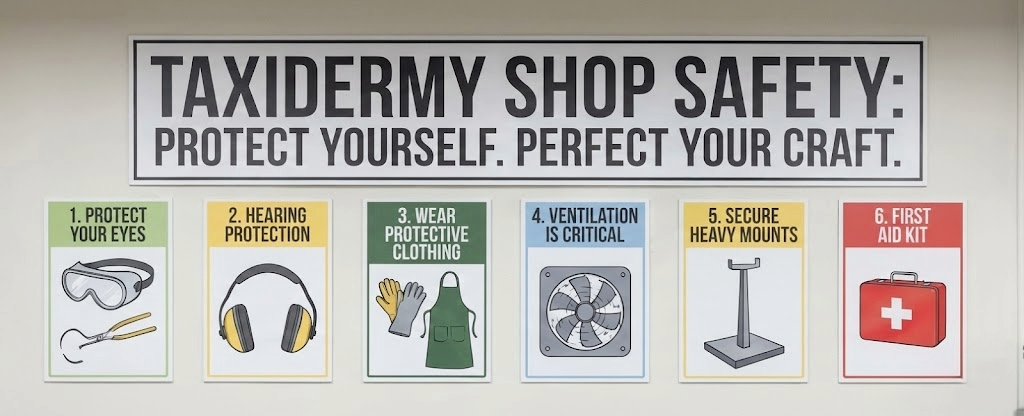
Taxidermy Shop Safety: Protecting Yourself While Perfecting Your Craft
Taxidermy is a rewarding craft that blends artistry, biology, chemistry, and skilled workmanship. But like any hands-on trade, it comes with risks. From sharp tools and heavy mounts to chemicals and airborne particles, a taxidermy shop can quickly become hazardous if proper precautions aren’t taken.
Creating a safe work environment protects not only your health today — but also your long-term ability to stay in the profession. Below are essential safety practices every taxidermist should follow.
1. Protect Your Eyes — Always
Eye injuries are one of the most common and preventable accidents in a taxidermy shop.
Wear Eye Protection When:
-
Grinding, sanding, or using power tools
-
Loosening or cutting wire
-
Drilling into forms
-
Working around antlers or horns
-
Trimming dried hides or hardened materials
Even small fragments can cause serious damage. Flying debris from grinders or wires under tension can strike unexpectedly.
Watch for Hidden Eye Hazards:
-
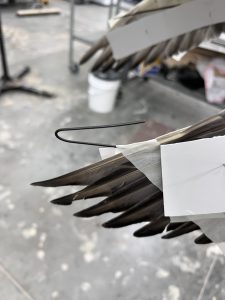
Bird wire protruding from wings during drying
Wire sticking out from wings is notorious for eye-level accidents.-
Keep wire tips short
-
Better yet, bend the ends over so if you bump into them, they won’t puncture your eye.
-
-
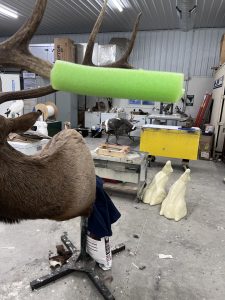
Antlers and horns at eye level
It’s easy to turn around and walk straight into a rack. Elk, deer, and other large mounts often sit right at eye height.-
Be mindful of positioning.
-
Use bright tape or padding on sharp tips when possible.
-
Pool noodles work great on elk antler tips to prevent accidental injury.
-
You only get one set of eyes — protect them.
2. Hearing Protection Matters
Grinders, air tools, fleshing machines, and compressors create long-term hearing damage.
Wear:
-
Foam ear plugs
-
Over-ear hearing protection
-
Or both when working around loud equipment
Hearing loss doesn’t happen overnight — but once it’s gone, it’s permanent.
3. Wear Protective Clothing
Aprons
A durable apron protects against:
-
Blood and biological matter
-
Chemical splashes
-
Blade slips
It also keeps clothing from absorbing tanning chemicals and odors.
Gloves
Always wear gloves when handling:
-
Tanning solutions
-
Degreasers
-
Preservatives
-
Acids or solvents
You might tolerate chemicals today — but repeated exposure over time can lead to:
-
Skin sensitivity
-
Chemical burns
-
Respiratory issues
-
Long-term health complications
Many taxidermists develop reactions after years of exposure. Your body can lose its resistance over time. Protect your skin now to prevent serious problems later.
4. Ventilation Is Critical
Taxidermy shops contain fumes from:
-
Tanning agents
-
Adhesives
-
Solvents
-
Paints
-
Degreasers
Without proper airflow, these fumes accumulate and become dangerous.
Ensure your shop has:
-
Good cross-ventilation
-
Exhaust fans
-
Air filtration systems
-
Respirators when necessary
Breathing in chemical vapors daily can cause long-term respiratory damage. Fresh air is not optional — it’s essential.
5. Be Careful with Heavy Mounts
Large shoulder mounts, life-size mounts, and pedestal mounts can be heavy and unstable.
If you have a mount on a stand:
-
Always weight the opposite side of the stand.
-
Use a bag of salt or sand as a counterbalance.
-
Make sure the base is stable before stepping away.
A falling mount can cause:
-
Serious injury
-
Damaged work
-
Costly repairs
Stability is key.
6. Keep a First Aid Kit in the Shop
Cuts and punctures happen — even to experienced professionals.
Have a stocked first aid kit that includes:
-
Bandages
-
Sterile gauze
-
Antiseptic
-
Medical tape
-
Tweezers
-
Eye wash solution
Common shop injuries include:
-
Blade cuts
-
Wire punctures
-
Antler scrapes
-
Splinters
Quick treatment reduces infection risk and downtime.
7. Maintain a Clean Shop
Cleanliness isn’t just about appearance — it’s about health.
A dirty shop encourages:
-
Bacteria growth
-
Mold formation
-
Insect infestation
-
Cross-contamination
Best practices:
-
Remove scraps and waste daily
-
Disinfect work surfaces
-
Keep floors clear and dry
-
Store chemicals properly
-
Control humidity
Mold and bacteria don’t just damage mounts — they can damage your lungs and immune system.
8. Blade and Tool Awareness
Sharp tools are part of daily work. Stay alert.
-
Always cut away from your body.
-
Replace dull blades — dull tools slip more easily.
-
Keep tools organized and off the floor.
-
Store knives safely when not in use.
Most shop injuries happen when rushing or working tired.
9. Think Long-Term
Many taxidermy injuries aren’t dramatic accidents — they’re slow, cumulative problems:
-
Hearing loss
-
Respiratory damage
-
Chemical sensitivity
-
Chronic skin conditions
You may feel fine today, but long-term exposure without protection can create serious health issues later in life.
Your career depends on your health.
Final Thoughts
Taxidermy is craftsmanship — but craftsmanship should never come at the cost of your safety.
Simple habits like wearing eye protection, bending wire tips, padding antlers, ventilating your shop, using gloves, and keeping your space clean can prevent serious injuries.
Work smart.
Protect yourself.
Stay in the craft for the long haul